
Category Archives: Data Breach

How Plaintiffs Prove Negligence In Data Breach Lawsuits
A data breach does not always mean the company was legally negligent. Plaintiffs need to show that the organization had a duty to protect sensitive information, failed to use reasonable safeguards, and caused legally recognized harm. This process can involve looking at cybersecurity practices, company policies, state laws, industry standards, vendor relationships, and what… Read More »

Suing Companies That Ignore Known Cybersecurity Risks
Companies that collect personal information need to take cybersecurity warnings seriously. If a business knows about serious weaknesses in its systems but does nothing, employees, customers, patients, and others can suffer. A preventable cyberattack might expose Social Security numbers, financial details, medical records, passwords, biometric data, and other sensitive information. Victims could then face… Read More »

Data Breach Lawsuits Based On Failure To Encrypt Personal Information
When a company collects Social Security numbers, financial information, medical records, employee files, login credentials, or other sensitive data, protecting that information should be a fundamental part of its cybersecurity practices. Encryption can provide an important layer of protection by making information unreadable without the appropriate key or process. When sensitive personal information is… Read More »
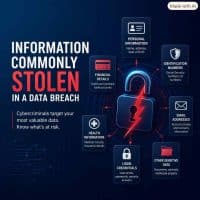
Personal Information Often Stolen In A Data Breaches
A data breach can reveal much more than just your name and email address. Many organizations, such as companies, employers, healthcare providers, banks, retailers, and technology firms, hold large amounts of information about the people who trust them. If their security fails, cybercriminals might access details that could be used for identity theft, financial… Read More »
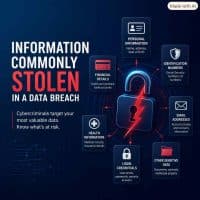
Information Commonly Stolen In A Data Breach
A data breach can reveal much more than just your name and email address. Many organizations, such as companies, employers, healthcare providers, banks, retailers, and technology firms, hold large amounts of information about the people who trust them. If their security fails, cybercriminals might access details that could be used for identity theft, financial… Read More »

How Data Breach Class Action Lawsuits Work
At Net Law Advocates, we know how upsetting it can be to find out your personal information was exposed in a data breach. Many people only realize the seriousness after getting a notice from a company or seeing suspicious activity on their accounts. These breaches can impact thousands or even millions of people, and… Read More »

Cyber Insurance Coverage Disputes After A Breach
After a data breach, many businesses and individuals expect their cyber insurance to cover the costs. However, this does not always happen. Insurance companies often dispute, delay, or deny claims, which can leave policyholders with major losses and no support. These disputes usually come when financial stress is already high from system downtime, legal… Read More »

Can Businesses Sue Security Companies After A Data Breach?
When a data breach happens, people usually focus on those whose personal information was exposed. But often, the problem starts with a third-party security company that was supposed to protect the data. Businesses count on cybersecurity vendors, managed service providers, and data protection firms to keep networks safe, watch for threats, and stop unauthorized… Read More »

Can Parents Sue After A Child’s Personal Information Is Exposed Online?
When a child’s personal information is exposed online, the effects can last a long time. Many parents are shocked and frustrated to find out that a school, company, app, or online platform did not protect their child’s data. Children, unlike adults, might not realize their information has been misused or stolen for years. This… Read More »

How Cybercriminals Use Stolen Data Years After A Data Breach
After a data breach is announced, many people think the danger will pass in a few months. In fact, stolen data can stay active and risky for years. Cybercriminals often wait to use the information, storing, trading, or reselling it until they see the best chance to profit. This delay means victims face long-term… Read More »