
Author Archives: Net law Advocates
How Plaintiffs Prove Negligence In Data Breach Lawsuits
A data breach does not always mean the company was legally negligent. Plaintiffs need to show that the organization had a duty to protect sensitive information, failed to use reasonable safeguards, and caused legally recognized harm. This process can involve looking at cybersecurity practices, company policies, state laws, industry standards, vendor relationships, and what… Read More »
Suing Companies That Ignore Known Cybersecurity Risks
Companies that collect personal information need to take cybersecurity warnings seriously. If a business knows about serious weaknesses in its systems but does nothing, employees, customers, patients, and others can suffer. A preventable cyberattack might expose Social Security numbers, financial details, medical records, passwords, biometric data, and other sensitive information. Victims could then face… Read More »
Data Breach Lawsuits Based On Failure To Encrypt Personal Information
When a company collects Social Security numbers, financial information, medical records, employee files, login credentials, or other sensitive data, protecting that information should be a fundamental part of its cybersecurity practices. Encryption can provide an important layer of protection by making information unreadable without the appropriate key or process. When sensitive personal information is… Read More »

How Plaintiffs Prove Statutory Damages In Biometric Privacy Cases
Biometric technology is now a regular part of daily life, and many people may not realize how much personal information is being gathered. Employers might use fingerprint or hand scanners for tracking work hours, businesses could use facial recognition, and tech companies often process facial features or other biometric data through their services. Unlike… Read More »
Should I Sue If My Fingerprint Data Was Collected Without Notice?
Fingerprint scanners are now used in many places, like workplaces, warehouses, healthcare facilities, retail stores, gyms, and apartment buildings. Employers might ask for a fingerprint to clock in, and businesses may use them for building access, identity checks, or account security. While this can seem like an easy alternative to passwords or ID cards,… Read More »
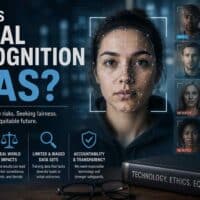
What Is Facial Recognition Bias?
Facial recognition technology works by analyzing a person’s facial features and comparing them to stored images or biometric data. More and more businesses use this technology for things like security, verifying identities, controlling access, preventing fraud, managing employees, and monitoring customers. Issues can occur if the system gives inaccurate results, treats certain groups unfairly,… Read More »
Can Voice Recordings Be Converted Into A Biometric Voiceprint?
A recorded voice can reveal much more than just the words spoken. Today’s voice-recognition technology can study how someone speaks and turn those details into a biometric voiceprint that helps identify or verify a person. This difference matters more as businesses record calls, use voice authentication, and gather large amounts of audio. People may… Read More »
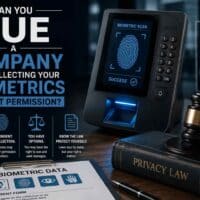
Can You Sue A Company For Collecting Your Biometrics Without Permission?
Your face, fingerprints, voice, and other biometric traits are different from things like email addresses or passwords. You can change a password after a security issue, but you cannot change your fingerprint or facial features. This difference is why biometric privacy has become a key legal concern as more businesses use these systems. If… Read More »
How Criminals Use Social Security Numbers After A Data Breach
A data breach that exposes Social Security numbers can create ongoing risks, even after a company says its systems are secure. Unlike passwords, Social Security numbers cannot be changed whenever they are compromised. Criminals may use a stolen Social Security number along with a victim’s name, birth date, address, or financial details to commit… Read More »
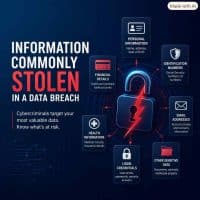
Personal Information Often Stolen In A Data Breaches
A data breach can reveal much more than just your name and email address. Many organizations, such as companies, employers, healthcare providers, banks, retailers, and technology firms, hold large amounts of information about the people who trust them. If their security fails, cybercriminals might access details that could be used for identity theft, financial… Read More »