
Recent Blog Posts
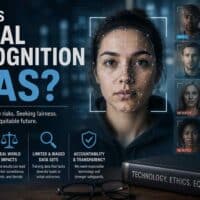
What Is Facial Recognition Bias?
Facial recognition technology works by analyzing a person’s facial features and comparing them to stored images or biometric data. More and more businesses use this technology for things like security, verifying identities, controlling access, preventing fraud, managing employees, and monitoring customers. Issues can occur if the system gives inaccurate results, treats certain groups unfairly,… Read More »

Can Voice Recordings Be Converted Into A Biometric Voiceprint?
A recorded voice can reveal much more than just the words spoken. Today’s voice-recognition technology can study how someone speaks and turn those details into a biometric voiceprint that helps identify or verify a person. This difference matters more as businesses record calls, use voice authentication, and gather large amounts of audio. People may… Read More »

Can You Sue A Company For Collecting Your Biometrics Without Permission?
Your face, fingerprints, voice, and other biometric traits are different from things like email addresses or passwords. You can change a password after a security issue, but you cannot change your fingerprint or facial features. This difference is why biometric privacy has become a key legal concern as more businesses use these systems. If… Read More »

How Criminals Use Social Security Numbers After A Data Breach
A data breach that exposes Social Security numbers can create ongoing risks, even after a company says its systems are secure. Unlike passwords, Social Security numbers cannot be changed whenever they are compromised. Criminals may use a stolen Social Security number along with a victim’s name, birth date, address, or financial details to commit… Read More »

Personal Information Often Stolen In A Data Breaches
A data breach can reveal much more than just your name and email address. Many organizations, such as companies, employers, healthcare providers, banks, retailers, and technology firms, hold large amounts of information about the people who trust them. If their security fails, cybercriminals might access details that could be used for identity theft, financial… Read More »

Information Commonly Stolen In A Data Breach
A data breach can reveal much more than just your name and email address. Many organizations, such as companies, employers, healthcare providers, banks, retailers, and technology firms, hold large amounts of information about the people who trust them. If their security fails, cybercriminals might access details that could be used for identity theft, financial… Read More »

How Data Breach Class Action Lawsuits Work
At Net Law Advocates, we know how upsetting it can be to find out your personal information was exposed in a data breach. Many people only realize the seriousness after getting a notice from a company or seeing suspicious activity on their accounts. These breaches can impact thousands or even millions of people, and… Read More »

What Compensation May Be Available After A Data Breach?
At Net Law Advocates, we know a data breach is more than a technical issue. It can affect your finances, put your identity at risk, and leave you worried about how your information might be used in the future. Many people think that credit monitoring or a notification letter is enough, but these steps… Read More »

AI Liability: Who Is Responsible For Algorithmic Harm?
Artificial intelligence now plays a role in everyday decisions, from hiring and lending to healthcare, insurance, and online services. These systems can make things more efficient and consistent, but they also bring new risks for people affected by automated choices. When an algorithm causes harm, it is often unclear who is responsible. Unlike traditional… Read More »

What Victims Of Identity Theft Should Do Immediately
Identity theft can quickly turn your life upside down. Many people first realize there is a problem when they see strange charges, get alerts about new accounts, or are contacted about activity they did not approve. This can be confusing and stressful, and it is normal to worry about what might happen next. Often,… Read More »